“ He steps softly; he treads like a cat. Behind a rock are grape-vines. He hears giggling and young girls are splashing together in the water; they are jumping in the lake, and these are water-sprites who avoid dwellers on the earth. He sees their clothes which lie on the bank and he picks out the one he wants. Marten slyly creeps up--no one sees him--as is Marten's fashion, until he can seize in his hand their clothes, for he is gifted with magic power. With regard to these female water-sprites, when men take their clothes, then they will be able to subdue them. ”
Marten
Definition and stakes
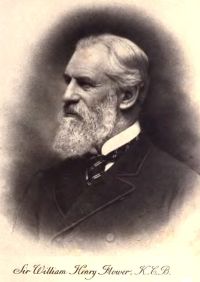
The term "marten" primarily refers to the fur of various species within the mustelid family, prized for its versatility and aesthetic value. This theme appears throughout literature and natural history, highlighting both practical and symbolic aspects. William Henry Flower describes the marten’s color variations, underscoring its adaptability to environmental conditions, while Jacob A.
Riis depicts it as a resilient urban dweller in The Old Town. Norman Douglas uses the name "Marten" metaphorically in South Wind, contrasting it with intellectual rigidity. Meanwhile, historical figures such as Henry Marten appear in biographical contexts, connecting the term to human stories. These varied perspectives emphasize the marten’s dual function as a material resource and a symbol of cunning, perseverance, and cultural importance.
Quotes about “marten”
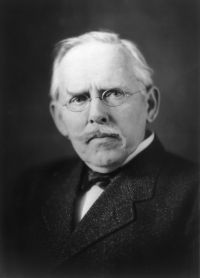 Jacob A. Riis,
The old town
(1909)
Jacob A. Riis,
The old town
(1909)
“ If it was the night-watchman, he had [Pg 209] perhaps a word about the wind being in the northwest, “blowing up to a storm,” or about the marten that ate the last batch of squabs. The marten lived in the attic under the roof beams, where it had its young in peace. It was not disturbed, though it made an occasional raid on the hen roost or the pigeon coop; but that was to be guarded against. To make up for it, it ate the rats that infested the old houses, and for this service it was let alone. ”
“ Marten's style was more like random blows from a sledge-hammer, half of them wide of the mark. It was not very edifying, or even instructive. Keith was the same. Why was everybody so violent, so extreme in their views?Marten repeated:"Sanidin?""It might be sanidin in places," replied Denis. "I do know a little something about crystals, Marten. I have read Ruskin's ETHICS OF THE DUST.""Ruskin. Good god! He's not a man; he's an emetic. But you never answered my first question. You always hit upon sanidin. Why?" ”