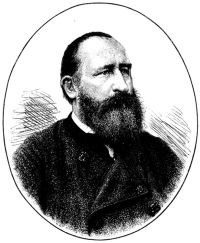
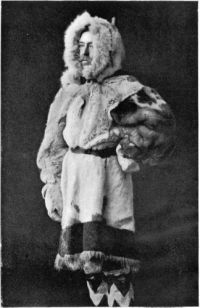
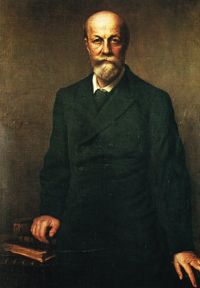
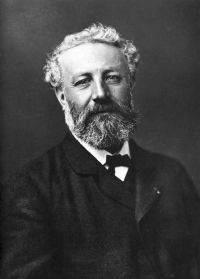
Siberia, a vast and sparsely populated region stretching across North Asia from the Ural Mountains to the Pacific Ocean, has long fascinated writers with its stark contrasts and historical importance. Authors such as Péter Vay described its boundless steppes as "a sea of endless space," while Alfred Edmund Brehm challenged views of Siberia as a monotonous wasteland, highlighting its geographical and cultural variety.
Harry De Windt emphasized its transformation from a frozen exile to a thriving, rail-connected frontier, and Anton Chekhov reflected on its harsh realities and moral resilience. These varied depictions—from desolation to opportunity—underscore Siberia’s dual role as both a geographical area and a symbol of human endurance, shaped by its climate, history, and the evolving stories of those who live there or write about it.
 Péter Vay,
Empires and Emperors of Russia…
Péter Vay,
Empires and Emperors of Russia…