Knout

Definition and stakes

Various,  Blackwood's Edinburgh Magazine…

“ The true translation of which, as we assure the unlearned reader, is—"Nor must you pursue with the horrid knout of Christopher that man who merits only a switching." Very true. We protest against all attempts to invoke the exterminating knout; for that sends a man to the hospital for two months; but you see that the same judicious poet, who dissuades an appeal to the knout, indirectly recommends the switch, which, indeed, is rather pleasant than otherwise, amiably playful in some of its little caprices, and in its worst, suggesting only a pennyworth of diachylon. ”
Source: Gutenberg

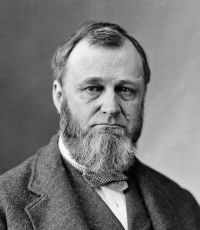
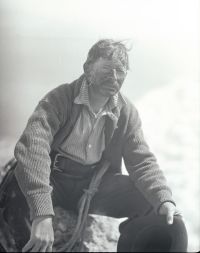
Portrait of Rufin Piotrowski Rufin Piotrowski,  The Story of a Siberian Exile; Followed by a Narrative of Recent Events in Poland (1863)

“ The knout is a strip of hide, a thong which is steeped in some preparation, and strongly glazed as it were with metal filings. By this process it becomes both heavy and extremely hard, but before it hardens care is taken to double down the edges, which are left thin on purpose, and in this way a groove runs the whole length of the thong, except the upper part, which is supple, and winds round the hand of the executioner; to the other end a small iron hook is fastened. Falling on the bare back of the sufferer the knout comes down on its concave side, of which the edges cut like a knife. ”
Source: Gutenberg

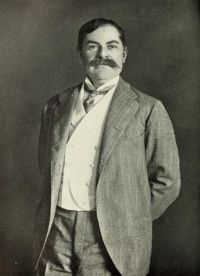
Portrait of James Oliver Curwood James Oliver Curwood,  The Valley of Silent Men: A Story of the Three River Country

“ In these moments Kent did not see death. He was not visioning the iron bars of a prison. His blood pulsed only to the stir of that greatest of all adventures which lay ahead of him. He, the best man-hunter in two thousand miles of wilderness, would beat the hunters themselves. The hound had turned fox, and that fox knew the tricks of both the hunter and the hunted. He would win! A world beckoned to him, and he would reach the heart of that world. Already there began to flash through his mind memory of the places where he could find safety and freedom for all time. ”
Source: Gutenberg

Get perspective with Kwize: daily news enlightened by great literature