Scent, a sensory phenomenon deeply connected to memory and emotion, has long functioned as a narrative device in literature to evoke atmosphere, identity, and concealed truths. From Helen Keller’s awareness of human presence through lingering odors to Lafcadio Hearn’s evocative description of perfume as “voluptuously enchanting,” writers have examined scent’s ability to go beyond the physical. Whether as a symbol of yearning in A. M.
Williamson’s “wallflower perfume” or a catalyst for spontaneous remembrance in Marcel Proust’s “fragrance in search of which my eyes kept straying,” the theme illustrates how scent connects the concrete and the intangible. This thematic exploration considers how authors, through diverse perspectives, have portrayed scent as both a physical and symbolic element, frequently associating it with the act of tracing—whether of individuals, recollections, or the elusive nature of life itself.
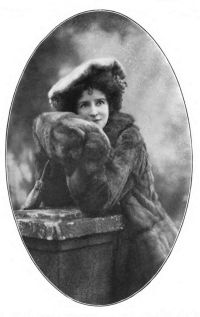 A. M. Williamson,
Winnie Childs, the Shop Girl
A. M. Williamson,
Winnie Childs, the Shop Girl