Musk, a category of aromatic substances derived from animal glands, plants, or synthetic compounds, has long been valued in perfumery for its rich, long-lasting fragrance. Historically obtained from the abdominal gland of the musk deer, it was later supplemented by plant-based alternatives such as Abelmoschus moschatus and synthetic versions developed in the 19th century.
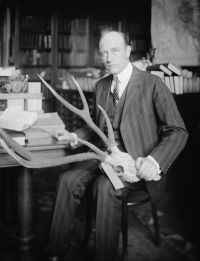
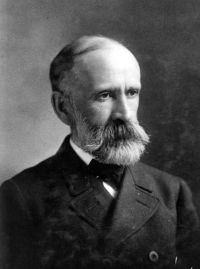
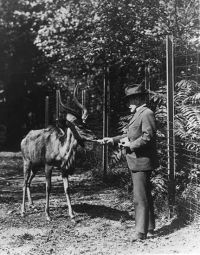
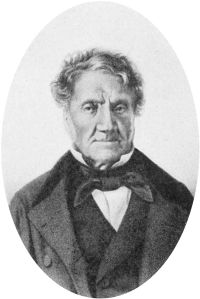
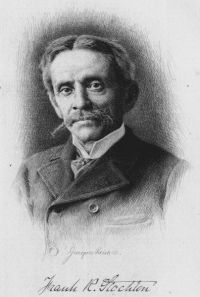
Authors like Henry Yule described its collection from wild deer, while Ernest Thompson Seton illustrated musk-ox behavior, and Septimus Piesse outlined its use in perfumery. Contemporary methods prefer synthetic musk, addressing ethical issues and limited availability, although natural musk continues to be used in traditional Chinese medicine. This contrast—between ancient admiration and modern innovation—highlights musk’s lasting cultural and olfactory importance.
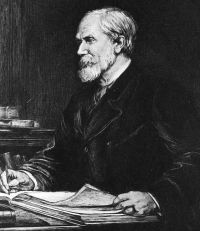 Henry Yule,
Hobson-Jobson — M
(1903)
Henry Yule,
Hobson-Jobson — M
(1903)