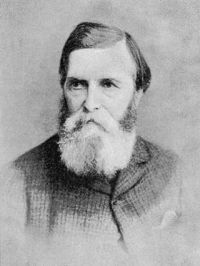
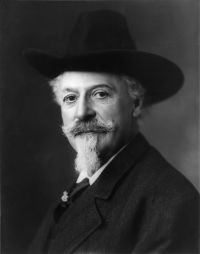
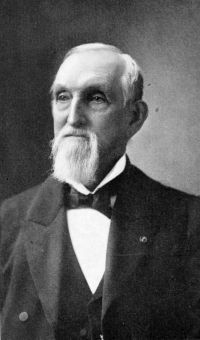
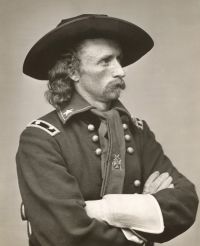
The buffalo, an iconic symbol of the American West, has been a recurring theme in literature, representing both the vastness of the prairie and the relationship between nature and human effort. Authors such as W. E. Webb and Stewart Edward White portrayed its presence as a defining element of the landscape, incorporating it into stories of exploration and survival.
George Bird Grinnell and Buffalo Bill emphasized its cultural importance to Indigenous peoples, while R. M. Ballantyne and Ernest Young examined its symbolic duality—as a magnificent creature and a metaphor for human creativity. These diverse depictions highlight the buffalo’s role as a central point of convergence for ecological, cultural, and literary imagination.