Ute

Definition and stakes

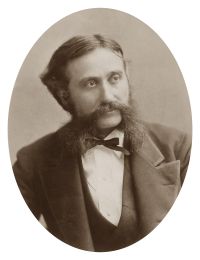
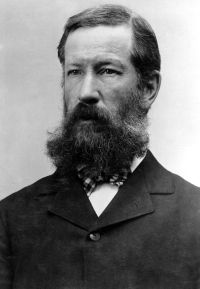
Portrait of Henry Gannett Henry Gannett,  Encyclopædia Britannica, Ninth Edition (1881)

“ The Ute or Utah tribe, which is composed of several bands, all acknowledging the authority of one head chief, inhabits reservations in the western part of Colorado and eastern Utah. They number about 4200. Averse to civilization, they have made little or no progress. They originally inhabited the whole mountain region of Colorado and northern New Mexico, whence they made inroads on the plains in pursuit of buffalo, and of their hereditary enemies the Sioux, the Cheyennes, and the Arapahoes. Their intercourse with the whites has been, almost without exception, characterized by friendship. ”
Source: Wikisource

Edmund Flagg,  Flagg's The Far West, 1836-1837…

“ The Ute belong, as De Smet says, to the Shoshonean stock, and originally occupied the country directly south of the habitat of the Snake Indians, or Shoshoni proper, which extended from the Rocky Mountains to California. The Ute were divided into numerous bands, differently classified by various authorities, and when first known to the whites numbered about four thousand souls. There are now over two thousand on two reservations—the Southern Ute in southwestern Colorado, and the other bands on the Unita reservation, in northeastern Utah.—Ed. ”
Source: Gutenberg

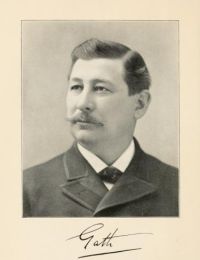
Merrill Tileston,  Chiquita, an American Novel: The Romance of a Ute Chief's Daughter

“ The trip of a hundred miles or more in the dead of winter over unbroken trails was not so much of an obstacle for a man experienced in mountain life; but he did not then know that the Utes' camp was made up of some of the worst characters from the White River Agency, nor that the band was there against the wishes of Indian Agent Meeker, who had requested their return more than once. ”
Source: Gutenberg

Get perspective with Kwize: daily news enlightened by great literature