Summary

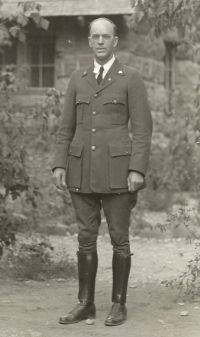
Portrait of Angus M. Woodbury Angus M. Woodbury A History of Southern Utah and Its National Parks…

At long last the nation had awakened to the greatness of the gift nature had bestowed upon it, and in future years unnumbered generations will come to marvel at the wonders of the country which is southern Utah and at the austere majesty of the Great White Throne—generations free from the dread and superstition that made primitive races fear its unimagined heights no less than its long shadows and dazzling brilliance in the sun.
Source: Gutenberg

Portrait of Angus M. Woodbury Angus M. Woodbury A History of Southern Utah and Its National Parks…

The Pah-Utah Indians are the greatest horse thieves on the continent. Rarely attempting the bold coup-de-main of the Utahs, they dog travelers during their march and follow on their trail like jackals, cutting off any stragglers whom they can surprise and overpower, and pick up such animals as stray from the band or lag behind from fatigue. At night lurking around the camp, and concealing themselves behind rocks and bushes, they communicate with each other by imitating the sounds of birds and animals.
Source: Gutenberg

Portrait of Angus M. Woodbury Angus M. Woodbury A History of Southern Utah and Its National Parks…

Zion Canyon had already been carved half-a-mile deep in the brilliant Navajo sandstone and most of its geological history had passed long before the eyes of man beheld its glory. One of the world’s rare beauty spots, lying within Zion National Park in southwestern Utah, it serves as a striking example of the thousands of flaming gorges or red box canyons eroded through millions of years on the edges of the plateaus along the Colorado River in southern Utah and northern Arizona.
Source: Gutenberg

Get perspective with Kwize: daily news enlightened by great literature