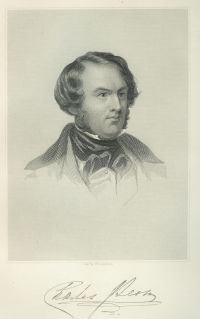
Panic, a visceral response to perceived danger, manifests as both a physiological and psychological reaction, often intensifying fear through collective or individual distress. Authors such as Algernon Blackwood frame it as a reverent awe preceding the sublime, while Charles James Lever portrays it through intense scenes of war, disaster, and plague.
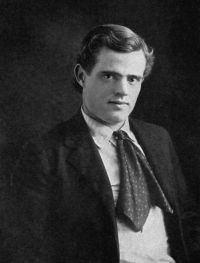
Hugh Walpole conveys its physical suffering, and Frederick Treves contrasts its dreamlike and waking manifestations. Stanley Weyman explores fear of the unseen, and Jack London differentiates between collective and solitary panic. These diverse depictions highlight panic’s universality, revealing it as a complex interplay of emotion, environment, and human frailty.
 Algernon Blackwood,
Day and Night Stories
Algernon Blackwood,
Day and Night Stories