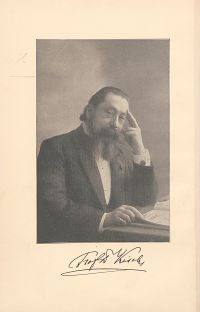
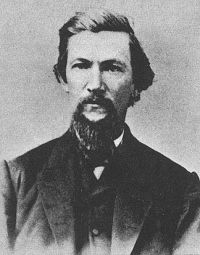
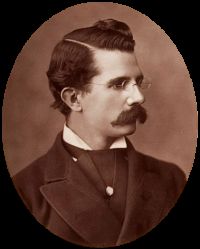
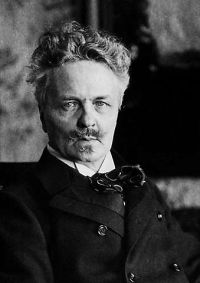
Vertigo, a feeling of dizziness or loss of balance, has been examined in medical, psychological, and literary contexts. Erasmus Darwin viewed it as a physiological reaction to movement, connecting it to sensory stimulations and the interplay between pleasure and pain, while Sigmund Freud linked it to anxiety neurosis, highlighting its psychological significance.
Pierre Loti captured its metaphorical strength, portraying it as a sudden episode that carries individuals into the depths of time. The theme connects physical distress with existential discomfort, illustrating vertigo as both a medical condition and a narrative tool for exploring confusion. Its associations with epilepsy, inner ear disorders, and sensory awareness emphasize its complex role in the human experience.
 Pierre Loti,
Egypt (La Mort de Philae)
Pierre Loti,
Egypt (La Mort de Philae)