Summary

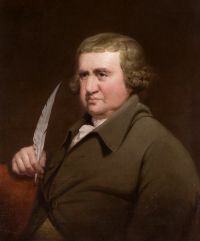
Portrait of Erasmus Darwin Erasmus Darwin Zoonomia, or, the Laws of Organic Life… (1796)

In the state of nature when the sense of hunger is appeased by the stimulus of agreeable food, the business of the day is over, and the human savage is at peace with the world, he then exerts little attention to external objects, pleasing reveries of imagination succeed, and at length sleep is the result: till the nourishment which he has procured, is carried over every part of the system to repair the injuries of action, and he awakens with fresh vigour, and feels a renewal of his sense of hunger.
Source: Wikisource

Portrait of Erasmus Darwin Erasmus Darwin Zoonomia, or, the Laws of Organic Life… (1796)

Hence we become acquainted with that very curious circumstance, why the drunken vertigo is attended with an increase of pleasure; for the irritative ideas and motions occasioned by internal stimulus, that were not attended to in our sober hours, are now just so much increased as to be succeeded by pleasurable sensation, in the same manner as the more violent motions of our organs are succeeded by painful sensation. And hence a greater quantity of pleasurable sensation is introduced into the constitution; which is attended in some people with an increase of benevolence and good humour.
Source: Wikisource

Portrait of Erasmus Darwin Erasmus Darwin Zoonomia, or, the Laws of Organic Life… (1796)

When intoxication proceeds a little further, the quantity of pleasurable sensation is so far increased, that all desire ceases, for there is no pain in the system to excite it. Hence the voluntary exertions are diminished, staggering and stammering succeed; and the trains of ideas become more and more inconsistent from this defect of voluntary exertion, as explained in the sections on sleep and reverie, whilst those passions which are unmixed with volition are more vividly felt, and shewn with less reserve
Source: Wikisource

Get perspective with Kwize: daily news enlightened by great literature