“ I smile, sadly when I read in my journal, which I have just been looking over, these words repeated so often: "Never was there greater sorrow—" "Never was there more happiness—" "Never can I forget—" And now new joys have obliterated those sorrows; new troubles have faded those joys. Thus day after day, forgetfulness, that dark, cold tide, creeps up higher, higher, and swallows up in the black abyss of the past the souvenirs that time has discoloured. My mother! my father! Hélène! Marguerite! Catherine! you to whom I owe so much sorrow and so much felicity! ”
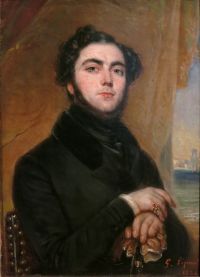
Eugène Sue
Summary
Eugène Sue’s Arthur examines the turbulent interplay of love, sorrow, and social hierarchy through the struggles of its titular protagonist, a man caught between personal grief and societal demands. Focusing on characters such as Hélène, Catherine, and the mysterious Lord Falmouth, the novel explores themes of regret, unfulfilled longing, and the damaging impact of guilt.
Sue’s storytelling, filled with emotional depth, investigates how human strengths and weaknesses clash within strict class systems, ultimately offering a reflection on the delicate equilibrium between hopelessness and salvation.
Quotes from Arthur (Eugène Sue)
“ Ah, if you knew how unjust and hateful grief can make a man! If you knew what it was to say, 'I love her to distraction, I idolise her, there is not a charm of her mind, her soul, or her person that I do not appreciate and admire, she is for me all in all,—and yet another—' ah, can you not see how such an idea is enough to set one wild, to make a man wish to die? Think of it, and you will have pity on me,—you will excuse because you will understand my rages, which I scarcely am ashamed of because I was wild from suffering. ”
“ How, then, should such a generous nature feel any attraction towards me, so unworthy, so incapable of inspiring affection? What interest had he to feign this exaggerated affinity? His name is much more illustrious than mine, his fortune is enormous, his position is of the highest. It is not vanity, then, that draws him towards me. His courage is well known, he needs no one to defend him. His mind is lively and original, and for years he has lived alone. He does not want me to amuse him by my conversation. I was a long time, I admit, trying to discover what was Lord Falmouth's motive. ”
