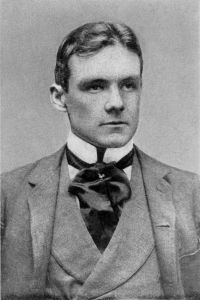
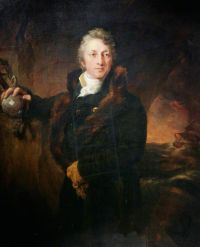
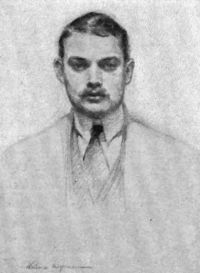
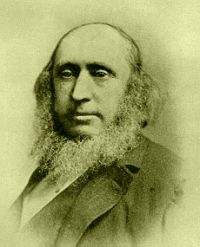
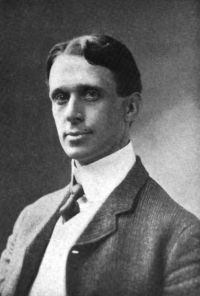
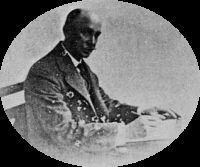
Fog, a natural phenomenon marked by thick, low-lying clouds at ground level, has long functioned as a powerful literary device, evoking mystery, solitude, and change. Authors such as Martha Everts Holden invest it with symbolic meaning, comparing its gentle haze to the passage of time, while H. F. Arnold portrays it as a conscious force clinging to urban environments.
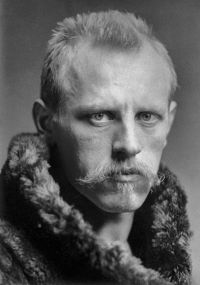
In contrast, Fridtjof Nansen conveys its stifling uniformity in the Arctic, and H. G. Wells uses it as a means for invisibility and existential vulnerability. Whether as a curtain hiding the unknown or a representation of existential uncertainty, fog in literature connects the concrete and the abstract, highlighting its dual function as both a physical obstacle and a reflection of human perception.