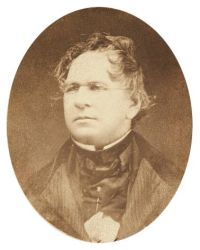
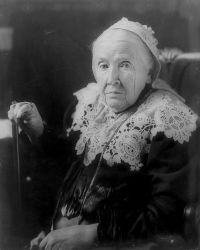
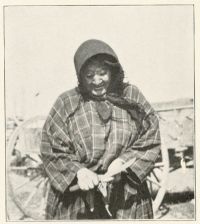
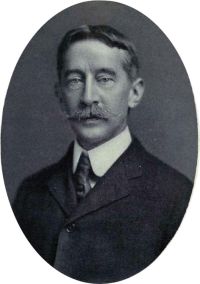
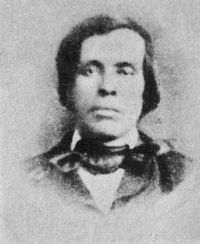
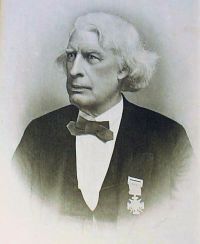
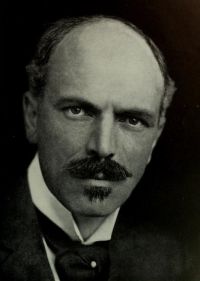
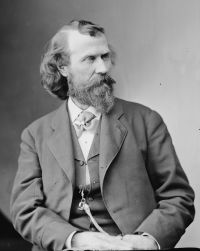
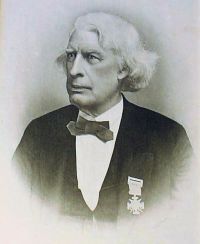
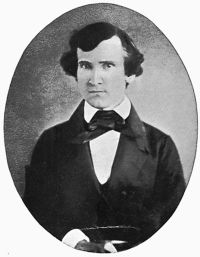
The concept of a lodge encompasses both a physical structure and a symbolic space, often linked to Indigenous cultures of the Americas, yet also present in wider literary contexts. Authors such as Henry Rowe Schoolcraft and Waheenee emphasize its spiritual and communal functions, portraying it as a boundary between realms or a repository of ancestral memory.
In contrast, writers like Henry Wadsworth Longfellow and James Lane Allen employ the lodge to evoke ambiance, whether through poetic enchantment or practical depiction. From ceremonial homes to metaphorical refuges, the lodge emerges as a multifaceted emblem of identity, continuity, and human connection to place.
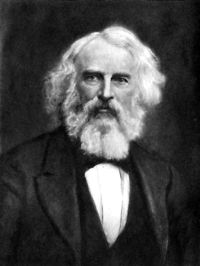 Henry Wadsworth Longfellow,
The Song of Hiawatha
(1855)
Henry Wadsworth Longfellow,
The Song of Hiawatha
(1855)