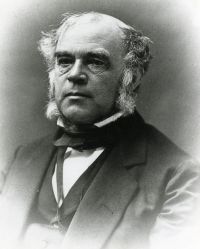
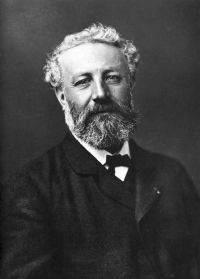
Reptiles, a class of ectothermic vertebrates defined by amniotic development and scaled skin, have long fascinated both scientific and literary discussions. From H.G. Seeley’s examination of their evolutionary connections to birds and mammals to Jean-Henri Fabre’s differentiation between common and scientific definitions, writers have addressed their ecological and taxonomic significance.
Thomas Huxley underscored their phylogenetic relationships, while Fabre emphasized their characteristic features such as oviparity and adaptation to land. Modern cladistics has reclassified Reptilia as a paraphyletic group that excludes birds and mammals, yet the term continues to be used in public and evolutionary contexts. This thematic page explores how reptiles—encompassing crocodilians, lizards, and extinct dinosaurs—have been understood through scientific categorization, literary imagery, and cultural symbolism.