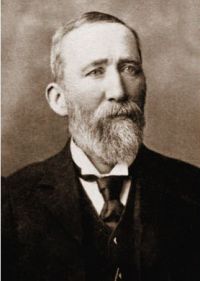
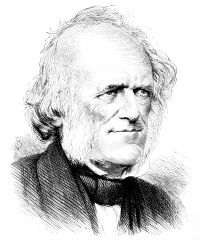
A fossil is a preserved remnant or imprint of a once-living organism from a past geological era, including bones, shells, impressions, and biochemical traces. From Aristotle’s early recognition of seashells as marine remains to Charles Lyell’s stratigraphic studies, scholars have long used fossils to decipher Earth’s history.
Othniel Marsh viewed them as keys to universal mysteries, while Thomas Huxley emphasized their role in establishing the foundations of paleontology. A. C. Seward noted their appeal in reconstructing ancient environments, and Harvey Markman stressed their significance as records of extinct life. Together, these viewpoints highlight fossils as essential links between Earth’s distant past and our advancing scientific knowledge.