Pleistocene

Definition and stakes

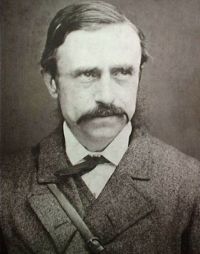
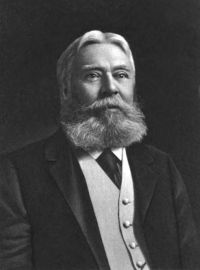
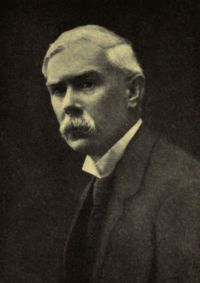
Portrait of Sir John William Dawson Sir John William Dawson,  Some Salient Points in the Science of the Earth

“ The close of the Glacial period, introducing great physical and climatal changes, some new species of mammalia and man himself, should be regarded as the end of the Pleistocene, and the introduction of what some French geologists have called the Anthropic period, which I have elsewhere divided into Palanthropic, corresponding to the so-called Palæolithic age, and Neanthropic, corresponding to the later stone and metal ages. ”
Source: Gutenberg

Percy B. Green,  A History of Nursery Rhymes

“ Still, however one feels disposed to imagine what took place in the Baby Kingdom of these remote ages, brief allusions only will be made to the veiled past, when either sign-language, or relics, or myths of long descent are presented to us in the form of nursery-lore.
How many thousands of years have gone [5] by since the period known to scientists as the Pleistocene was here—a time when the whole of Britain and North-West Europe wore a glistening mantle of ice, and when man could scarce exist, save on the fringe of the south-east littoral of England—none can say.
”
Source: Gutenberg

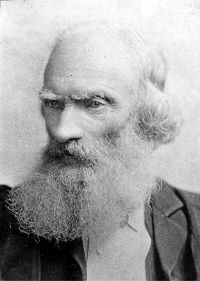
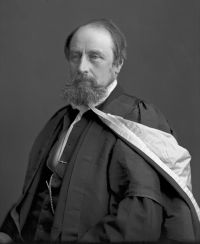
Portrait of Charles Lyell Charles Lyell,  The Antiquity of Man (1863)

“ If we reflect on the long series of events of the Pleistocene and Recent periods contemplated in this chapter, it will be remarked that the time assigned to the first appearance of Man, so far as our geological inquiries have yet gone, is extremely modern in relation to the age of the existing fauna and flora, or even to the time when most of the living species of animals and plants attained their actual geographical distribution. ”
Source: Wikisource

Get perspective with Kwize: daily news enlightened by great literature