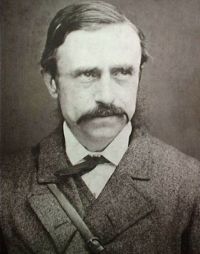
William Boyd Dawkins

Biographical details

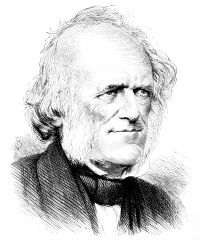
Portrait of William Boyd Dawkins William Boyd Dawkins Popular Science Monthly (1883)

And could we penetrate to the banks of the streams, guided by a thin column of smoke rising above the tops of the trees at Hackney or Gray's Inn, we should come upon the rude shelters of the river-drift hunters—the men selecting blocks of flint and chipping implements out of them, the women preparing the meal of flesh, and the children looking on and breaking the silence of the evening with their shouts, on those very spots where now is to be heard day and night the voice of our great city. Man is here, as before, the rival of the lion in the chase.
Source: Wikisource

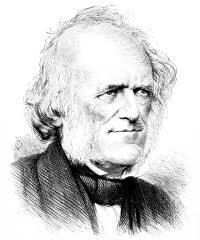
Portrait of William Boyd Dawkins William Boyd Dawkins Cave Hunting

In this long and winding gallery, fashioned by nature in the marble heart of the mountain, floor, roof, and sides are everywhere intersected by fissures which were formed in the consolidation of the stone. To these fissures and the water which has passed down them, we owe the formation of the cave and its rich furniture of stalactites.
Source: Gutenberg

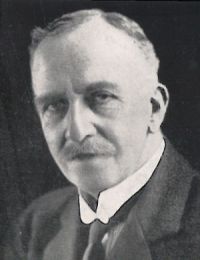
Portrait of William Boyd Dawkins William Boyd Dawkins Early Man in Britain and His Place in the Tertiary Period (1880)

As the evidence stands at present the geological record is silent as to man's appearance in Europe in the Pleiocene age. It is very improbable that he will ever be proved to have lived in this quarter of the world at that remote time, since of all the European mammalia then alive only one has survived to our own days. Nevertheless, the arrival of one solitary living species marks the dawn of that order of nature to which man belongs, and in which, in the succeeding Pleistocene age, he formed the central and most imposing figure.
Source: Wikisource

Get perspective with Kwize: daily news enlightened by great literature