Antler

Definition and stakes

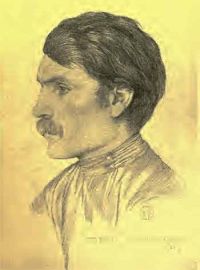
Portrait of C. Lloyd Morgan C. Lloyd Morgan,  Animal Behaviour

“ If you lay your hand on the growing antler, you will feel that it is hot with the nutrient blood that is coursing beneath it. It is, too, exceedingly sensitive and tender. An army of tens of thousands of busy living cells is at work beneath that velvet surface, building the bony antlers, preparing for the battles of autumn. ”
Source: Gutenberg

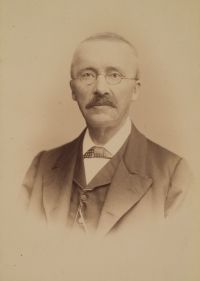
William Davenport Hulbert,  Forest Neighbors: Life Stories of Wild Animals

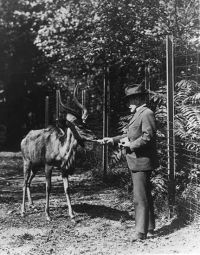
“ Anyhow, it made him a rather queer-looking buck, with one perfect antler and one spike. But in everything else—except his spread hoof—he was without spot or blemish. He had well fulfilled the promise of his youth, and [234] he was big and strong and beautiful. Something he had lost, no doubt, of the grace and daintiness of his baby days; but he had also gained much—gained in stateliness and dignity, as well as in size and weight and strength. And even that spike antler was not without its advantages, as he learned a little later. ”
Source: Gutenberg

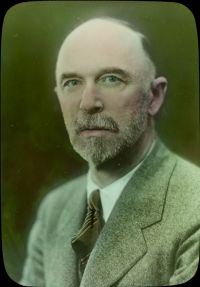
Portrait of William Berryman Scott William Berryman Scott,  A history of land mammals in the Western Hemisphere (1913)

“ As a rule, the “beam” or main stem of the antler and its [412] branches or “tines” are cylindrical and tapering; but in some cases, as in the Moose (Alce) and the Fallow Deer (Dama) , the antler is very broad and flat and is then said to be “palmated.” Except in the Reindeer and Caribou (Rangifer) the female is without antlers.
In the skeleton there is little difference between the deer and the Cavicornia, but there are some differences in the teeth.
”
Source: Gutenberg

Get perspective with Kwize: daily news enlightened by great literature