Caribou

Definition and stakes

Sir Charles G. D. Roberts,  The House in the Water: A Book of Animal Stories

“ The green tips of this bushy growth were a favoured “browse” of the caribou, who, though no lovers of the heights, would often wander up from their shaggy and austere plains in quest of this aromatic forage. But this lofty mountainside barren had yet another attraction for the caribou. Close at its edge, just where a granite buttress fell away steeply toward the lake, a tiny, almost imperceptible spring, stained 253 with iron and pungent with salt, trickled out from among the roots of a dense, low thicket. ”
Source: Gutenberg

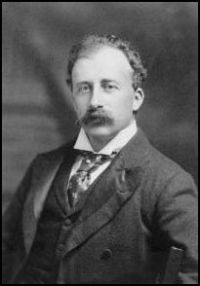
Portrait of William J. Long William J. Long,  Wilderness Ways

“ The caribou I am speaking of now are all woodland caribou—larger, finer animals every way than the barren-ground caribou of the desolate unwooded regions farther north. In summer they live singly, rearing their young in deep forest seclusions. There each one does as he pleases. So when you meet a caribou in summer, he is a different creature, and has more unknown and curious ways than when he runs with the herd in midwinter. ”
Source: Gutenberg

Portrait of William J. Long William J. Long,  Secrets of the Woods

“ But he had all the migratory instincts of a Newfoundland caribou. In winter he moved south, with twenty other grouse, to the foot of the ridge, which dropped away into a succession of knolls and ravines and sunny, well-protected little valleys, where food was plenty. Here, fifty years ago, was the farm pasture; but now it had grown up everywhere with thickets and berry patches, and wild apple trees of the birds' planting. All the birds loved it in their season; quail nested on its edges; and you could kick a brown rabbit out of almost any of its decaying brush piles or hollow moss-grown logs. ”
Source: Gutenberg

Get perspective with Kwize: daily news enlightened by great literature