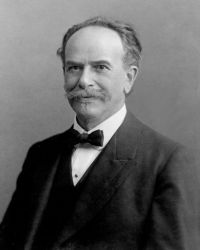
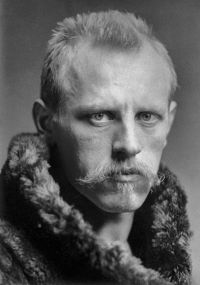
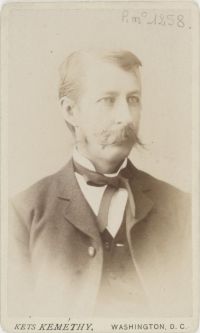
The Inuit are Indigenous peoples of the Arctic and Subarctic regions of North America and Russia, historically residing in areas stretching from Greenland to Alaska and Siberia. Their cultural and linguistic cohesion, based on the Eskaleut language family, is characterized by adaptations to harsh environments, such as whaling, dog-sled travel, and igloo construction. Authors like A. W. Greely emphasized Inuit resilience and their intricate relationships with outsiders, while Franz Boas recorded their physical and cultural differences from earlier Thule and Dorset groups.
Clara Kern Bayliss preserved Inuit folklore, illustrating their mythical strength and bond with the land, and Rudyard Kipling integrated their lives into stories of Arctic isolation. These diverse viewpoints highlight the Inuit’s lasting legacy as both guardians of Arctic traditions and participants in cross-cultural interactions, their identity molded by environmental hardships and historical encounters.