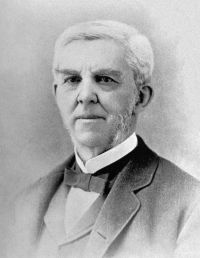
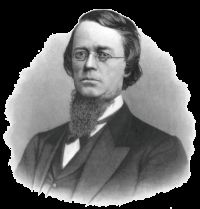
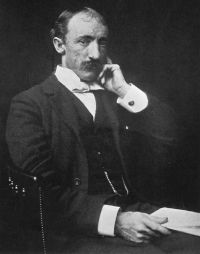
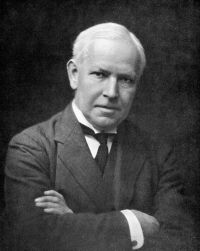
The literary concept of the "underworld" represents a shadowy, often dangerous domain beyond the mortal world, frequently linked with death, the afterlife, and existential challenges. Writers have long examined this theme from diverse perspectives: Arthur E. P. Brome Weigall described it as a "land of slumber and heavy darkness," while Oliver Wendell Holmes Sr. portrayed it as a "godless realm" filled with tormented spirits.
Wilhelm Max Wundt contrasted its terrors with "brighter regions" for the virtuous, and H. G. Wells depicted it as an unfriendly, alien expanse of "eternal death." From Milton’s "dolorous" valleys to Thomas Holmes’ portrayals of social exclusion, the underworld functions as a symbol for moral, psychological, and existential boundaries, highlighting humanity’s persistent fascination with mortality and the unknown.