The concept of "dark" includes both the literal lack of light and its symbolic significance in literature, representing mystery, spiritual challenges, or existential doubt. Writers have long struggled with its dual nature: Helena Jane Coleman portrays it as an obstacle to be overcome through faith, while Rabindranath Tagore reimagines it as a medium for universal love and creation.
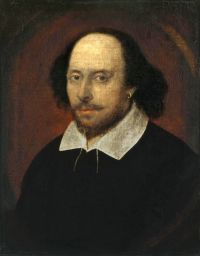
In Macbeth, Shakespeare associates darkness with moral corruption, and John of the Cross depicts it as a fleeting barrier hiding divine understanding. From biblical references to D.H. Lawrence’s raw imagery, "dark" functions as a means to examine human frailty, spiritual longing, and the relationship between shadow and enlightenment.