“ Zounds! my shaving-tickets; tickets for nearly a shilling. I search nervously for this precious treasure. As I do not find them quickly enough, I spring to my feet and search, in a sweat of fear. I discover them at last in the bottom of my breast-pocket, together with other papers--some clean, some written on--of no value.I count these six tickets over many times, backwards and forwards; I had not much use for them; it might pass for a whim--a notion of mine--that I no longer cared to get shaved.I was saved to the extent of sixpence--a white sixpence of Kongsberg silver. ”
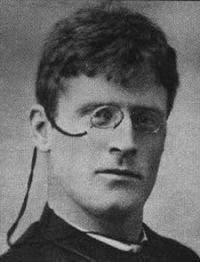
Knut Hamsun
Summary

Published in 1890, Hunger (Norwegian: Sult) by Knut Hamsun is a psychological novel portraying the mental and physical decline of an unnamed, intellectually inclined young man wandering the impoverished streets of late 19th-century Kristiania (Oslo).
Drawing from the author’s own pre-breakthrough struggles, the narrative examines themes of existential despair, the vulnerability of the mind, and a critique of urban isolation, merging naturalist realism with deep introspection. Influenced by Dostoevsky and Zola, Hamsun’s protagonist—plagued by hunger, guilt, and self-destructive ideals—represents a broken psyche, culminating in a journey aboard a ship that symbolizes both flight and inevitable submission to destiny.
Quotes from Hunger (Knut Hamsun)
“ By some association of ideas, I find myself suddenly transported to a large, double room I once occupied in Haegdehaugen. I could see a tray on the table, filled with great slices of bread-and- butter. The vision changed; it was transformed into beef--a seductive piece of beef--a snow-white napkin, bread in plenty, a silver fork. The door opened; enter my landlady, offering me more tea....Visions; senseless dreams! I tell myself that were I to get food now my head would become dizzy once more, fever would fill my brain, and I would have to fight again against many mad fancies. ”
Knut Hamsun,
Hunger
(1899)
“ Pawn another man's property for the sake of a meal, eat and drink one's self to perdition, brand one's soul with the first little sear, set the first black mark against one's honour, call one's self a blackguard to one's own face, and needs must cast one's eyes down before one's self? Never! never! It could never have been my serious intention—it had really never seriously taken hold of me; in fact, I could not be answerable for every loose, fleeting, desultory thought, particularly with such a headache as I had, and nearly killed carrying a blanket, too, that belonged to another fellow. ”
