Vacuum

Definition and stakes

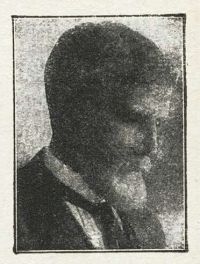
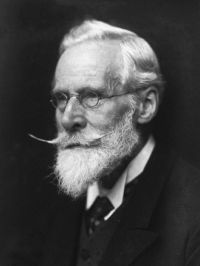
Portrait of Thomas Henry Huxley Thomas Henry Huxley,  Lay Sermons, Addresses and Reviews

“ But it is not alone those who pursue astronomy who ask for bread and receive ideas. What more harmless than the attempt to lift and distribute water by pumping it; what more absolutely and grossly utilitarian? But out of pumps grew the discussions about Nature's abhorrence of a vacuum; and then it was discovered that Nature does not abhor a vacuum, but that air has weight; and that notion paved the way for the doctrine that all matter has weight, and that the force which produces weight is co-extensive with the universe,—in short, to the theory of universal gravitation and endless force. ”
Source: Gutenberg

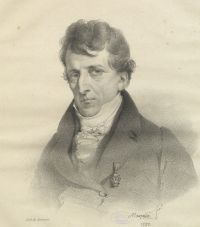
Joseph C. Martindale,  First Lessons in Natural Philosophy for Beginners

“ What is a vacuum?
A vacuum is a place that does not contain anything, not even air.
When a vessel contains water and we pour the water out, does that produce a vacuum?
No; because air passes in and fills the vessel.
How then can a vacuum be produced?
A vacuum in any place, can be produced only by drawing the air out of it.
When a vacuum is produced, what does the surrounding air try to do?
It tries to get in so as to fill the vacuum.
With what force does the air try to fill a vacuum?
With a force of fifteen pounds on every square inch of surface.
”
Source: Gutenberg

Get perspective with Kwize: daily news enlightened by great literature