The concept of "place" in literature includes both physical locations and their symbolic significance, acting as a backdrop for human experience and existential thought. From Mary Shelley’s depiction of an "unearthly" landscape that stimulates the mind to Henry James’s claim that a place can represent a "rosy cloud" of familiar knowledge, writers have examined how settings influence identity and emotion.
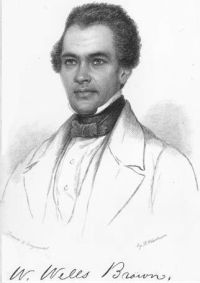
Whether through Vitruvius’s practical approach to urban planning, Alice Meynell’s awareness of the "spirit of place" in nature, or William Wells Brown’s admiration for a "sequestered spot" as a sanctuary, the theme highlights a range of views on how environments reflect or contrast with human life. These differing perspectives together emphasize the dual nature of "place" as both a concrete reality and a metaphysical channel for meaning.