Reindeer

Definition and stakes

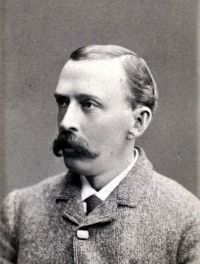
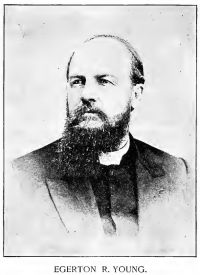
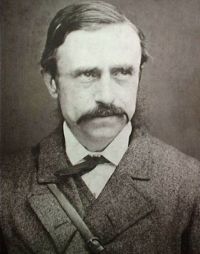
William Spiers Bruce,  Polar Exploration (1911)

“ All and every part of a reindeer—living or dead—is indispensable to him. For food the reindeer is never at a loss, even fending for itself when winter snow covers the ground. With its hoof the reindeer scrapes away the snow and discovers underneath the reindeer moss—a lichen which forms a favourite food.
It is pitiable to see this graceful and useful animal ruthlessly slaughtered, as it has been in Spitsbergen during recent years, and it is discreditable to relate that a person of exalted position has been one of those who have set so deplorable an example.
”
Source: Wikisource

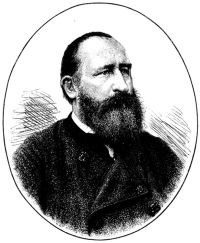
Portrait of Alfred Edmund Brehm Alfred Edmund Brehm,  From North Pole to Equator: Studies of Wild Life and Scenes in Many Lands (1896)

“ The reindeer is certainly far behind the stag in beauty and nobility, but when one sees the great herds, unhampered by the fetters of slavery, on the mountains of their native tundra, in vivid contrast to the blue of the sky and the whiteness of the snowy carpet, one must acknowledge that he, too, takes rank among noble wild beasts, and that he has more power than is usually supposed to quicken the beating of the sportsman’s heart. ”
Source: Gutenberg

Various,  The red book of animal stories (1899)

“ A reindeer, however, is good to eat, and makes an excellent steed; its milk is nourishing; the softer parts of its horns, when properly prepared, are considered a delicacy; the bones are turned to account as tools; the sinews are twisted into thread, and, all the long winter, the skin and hair keep the dwellers in the far north snug and warm. Take away the reindeer, and the inhabitants of every country north of latitude 60°—sometimes even south of it—would feel as helpless as we should in England if there were no more sheep or cows! ”
Source: Wikisource

Get perspective with Kwize: daily news enlightened by great literature