Floe

Definition and stakes

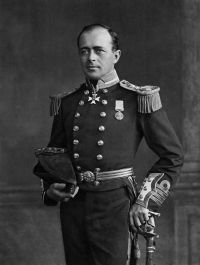
Portrait of Roald Amundsen Roald Amundsen,  Our polar flight (1925)

“ As we pass a heavy flat ice-floe, we see an interesting sight. The waves are swaying it with a regular rhythm, and spouting up from its very center there is a large column of water which rises twenty to twenty-five meters into the air. The explanation of this strange spring is simple enough. A caprice of nature has formed a hole in the floe, and as the waves rock it, the water presses through the hole with such force that the floe becomes a floating fountain. ”
Source: Gutenberg

Helen S. Wright,  The Great White North

“ When we get outside we discover that the floe has split in two not far from the tent. The Lapps, who had at once made for the highest points of our piece of ice, now shout that they can see the open sea....
“The swell is growing heavier and heavier, and the water breaking over our floe with ever-increasing force. The blocks of ice and slush, which come from the grinding of the floes together and are thrown up round the edges of our piece, do a good deal to break the violence of the waves. The worst of it is that we are being carried seawards with ominous rapidity.”
”
Source: Gutenberg

by the United States government,  Chapters (2002)

“ It is used as a tide gage installation to dampen the wind waves while freely admitting the tide to actuate a float which, in turn, operates the gage. Also called STILLING WELL.
floe. , n. Any relatively flat piece of sea ice 20 meters or more across. Floes are subdivided according to horizontal extent. A giant flow is over 5.4 nautical miles across; a vast floe is 1.1 to 5.4 nautical miles across; a big floe is 500 to 2000 meters across; a medium floe is 100 to 500 meters across; and a small floe is 20 to 100 meters across.
”
Source: Wikisource

Get perspective with Kwize: daily news enlightened by great literature