Debris, defined as scattered remains of what is destroyed or discarded, includes rubble, wreckage, and refuse in both natural and human contexts. From geological fragments left by glaciers to the aftermath of wars and disasters, the concept appears frequently in literature as a symbol of chaos and transformation.
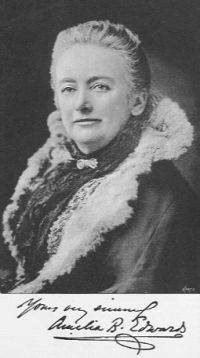
Authors like Anna Goldmark Gross portray debris as chaotic remnants of storms, while Homer Lea contrasts "derelicts" with "debris," emphasizing human and natural wreckage. Jack London evokes the ruins of mining operations, and Amelia B. Edwards describes ancient ruins teeming with life. These varied depictions highlight debris as a universal motif representing the lasting effects of destruction, bridging the physical and symbolic in human experience.