Celtic

Definition and stakes

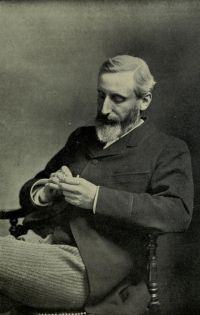
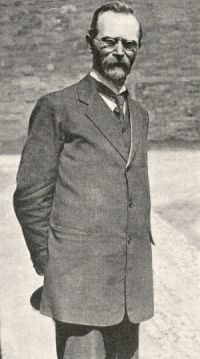
Portrait of D. H. Lawrence D. H. Lawrence Sea and Sardinia

Ah, those old, drystone walls dividing the fields—pale and granite-blenched! Ah, the dark, sombre grass, the naked sky! the forlorn horses in the wintry morning! Strange is a Celtic landscape, far more moving, disturbing than the lovely glamor of Italy and Greece. Before the curtains of history lifted, one feels the world was like this—this Celtic bareness and sombreness and air. But perhaps it is not Celtic at all: Iberian. Nothing is more unsatisfactory than our conception of what is Celtic and what is not Celtic.
Source: Gutenberg

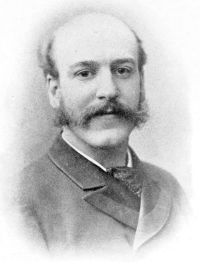
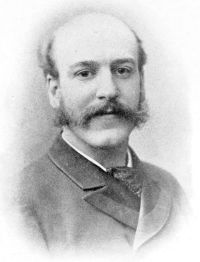
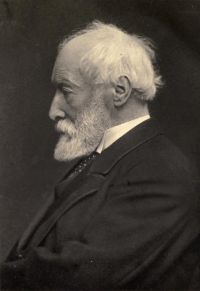
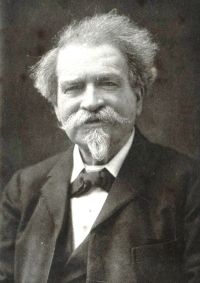
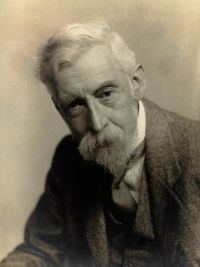
Portrait of Alfred Nutt Alfred Nutt Studies on the legend of the Holy Grail (1888)

Celtic tradition is not only rich and varied beyond all others in this respect, it often thus secures its chief artistic effects. The talismans of Celtic romance, the fairy branch of Cormac, the Ga-bulg of Cuchullain, the sounding-hammer of Fionn, the treasures of the Boar Trwyth after which Prince Kilhwch sought, the glaives of light of the living folk-tale, have one and all a weird, fantastic, half-human existence, which haunts and thrills the imagination.
Source: Wikisource

Lyra Celtica: An Anthology of Representative Celtic Poetry

After having exercised all the godly and worldly chivalries, sought with Pérédur the Holy Graal and the Beautiful, dreamed with Saint Brandan of mystical Atlantides, who knows what the Celtic genius would produce in the domain of the intelligence if it should embolden itself to make its entrance into the world, and if it subjected its rich and profound nature to the conditions of modern thought? Few races have had a poetical infancy as complete as the Celtic—mythology, lyricism, epic, romanesque imagination, religious enthusiasm, nothing have they lacked.
Source: Gutenberg

Get perspective with Kwize: daily news enlightened by great literature