Mythology

Definition and stakes

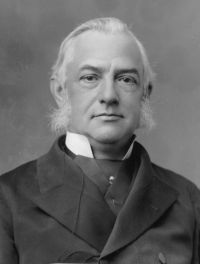
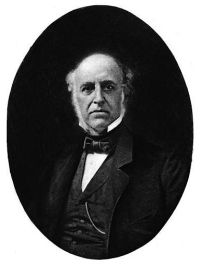
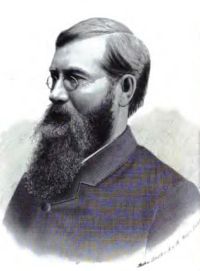
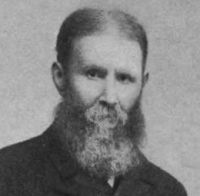
Portrait of Jeremiah Curtin Jeremiah Curtin Myths and Folk-Lore of Ireland (1911)

Logos and mythos, two words with such a long history, words starting with the same value, but reaching results diametrically opposite,—one becoming during its career the reason of the universe, everything; the other, a fiction, nothing,—gave us the term "mythology," which, analyzed in dictionary fashion, means, "an account of myths, a body of myths," or, as some define it, "the science of myths." But no man, I think, who knows the present vagueness of opinion as to the origin and nature of myths would venture to call mythology a science.
Source: Wikisource

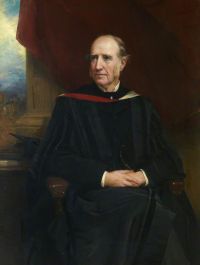
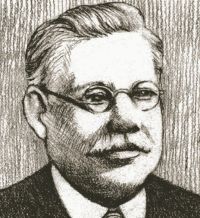
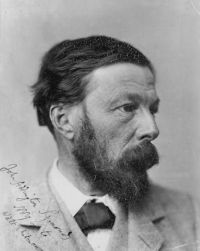
Portrait of F. Max Müller F. Max Müller Chips from a German Workshop, Volume 5

It is easy enough to call the sun a god, or the dawn a goddess, after these predicates have once been framed. But how were these predicates framed? How did people come to know of gods and goddesses, heroes and nymphs, and what meaning did they originally connect with these terms? In fact, the real question which a philosophy of mythology has to answer is this—Is the whole of mythology an invention, the fanciful poetry of a Homer or Hesiod, or is it a growth?
Source: Gutenberg

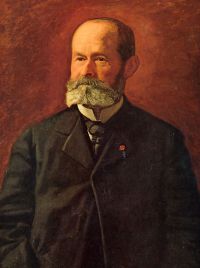
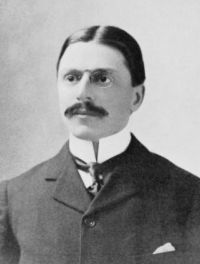
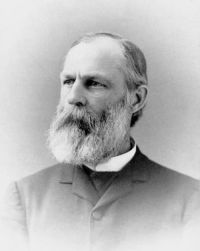
Portrait of Edward Clodd Edward Clodd Myths and Dreams

Among the slender intellectual capital of which they stood possessed was the common mythology of their savage ancestors, in which, as we have seen, sun and moon, storm and thunder-cloud, and all other natural phenomena, were credited with personal life and will. But that mythology had certainly advanced beyond the crude primitive form and entered the heroic stage, wherein the powers of nature were half human, half divine.
Source: Gutenberg

Get perspective with Kwize: daily news enlightened by great literature