Summary

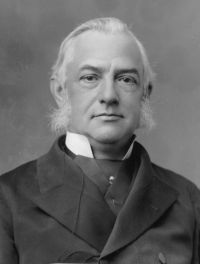
Portrait of F. Max Müller F. Max Müller Chips from a German Workshop, Volume 5

But surely every school-master who is worth his salt should be able to teach children a love of Nature, a wondering at Nature, a curiosity to pry into the secrets of Nature, an acquisitiveness for some of the treasures of Nature, and all this acquired in the fresh air of the field and the forest, where, better than in frowzy lecture-rooms, the edge of the senses can be sharpened, the chest widened, and that freedom of thought fostered which made England what it was even before the days of compulsory education.
Source: Gutenberg

Portrait of F. Max Müller F. Max Müller Chips from a German Workshop, Volume 5

And yet, how strange, from the very childhood of philosophy, from the first faintly-whispered Why? to our own time of matured thought and fearless inquiry, mythology has been the ever-recurrent subject of anxious wonder and careful study. The ancient philosophers, who could pass by the petrified shells on mountain-tops and the fossil trees buried in their quarries without ever asking the question how they came to be there, or what they signified, were ever ready with doubts and surmises when they came to listen to ancient stories of their gods and heroes.
Source: Gutenberg

Portrait of F. Max Müller F. Max Müller Chips from a German Workshop, Volume 5

I know the difficulties of a Spelling Reform, I know what people mean when they call it impossible; but I also know that personal and national virtue consists in doing so-called impossible things, and that no nation has done, and has still to do, so many impossible things as the English.
But, granted that reading, writing, and arithmetic occupy nearly the whole school time and absorb the best powers of the pupils, cannot something be done in play-hours? Is there not some work that can be turned into play, and some play that can be turned into work?
Source: Gutenberg

Get perspective with Kwize: daily news enlightened by great literature