Summary

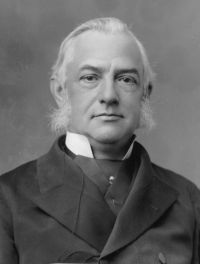
Portrait of F. Max Müller F. Max Müller India: What can it teach us?

If I were to look over the whole world to find out the country most richly endowed with all the wealth, power, and beauty that nature can bestow—in some parts a very paradise on earth—I should point to India. If I were asked under what sky the human mind has most full developed some of its choicest gifts, has most deeply pondered on the greatest problems of life, and has found solutions of some of them which well deserve the attention even of those who have studied Plato and Kant—I should point to India.
Source: Gutenberg

Portrait of F. Max Müller F. Max Müller India: What can it teach us?

Thus to the Sanskrit-speaking Aryan, as to the enlightened mind of to-day, not to see it was utter blindness. What we call science, law, morality, religion, was in his view pervaded alike throughout by this concept of Divine presence, or else it would have been less than a dream that had not come to the awaking. He was a follower of the light, not from the senses or the logical understanding, but from the eternal world. Let us not dwell on any darker shade of the picture. Clouds are dark to those who are beneath them; but on the upper side, where the sun shines, they glow with golden splendor.
Source: Gutenberg

Portrait of F. Max Müller F. Max Müller India: What can it teach us?

The true history of the world must always be the history of the few; and as we measure the Himâlaya by the height of Mount Everest, we must take the true measure of India from the poets of the Veda, the sages of the Upanishads, the founders of the Vedânta and Sânkhya philosophies, and the authors of the oldest law-books, and not from the millions who are born and die in their villages, and who have never for one moment been roused out of their drowsy dream of life.
To large multitudes in India, no doubt, Sanskrit literature was not merely a dead literature, it was simply non-existent
Source: Gutenberg

Get perspective with Kwize: daily news enlightened by great literature