Zeus

Definition and stakes

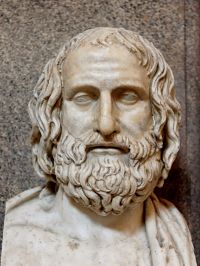
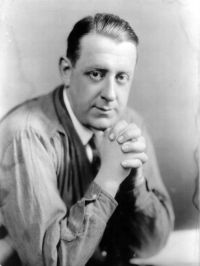
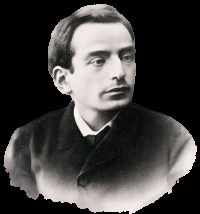
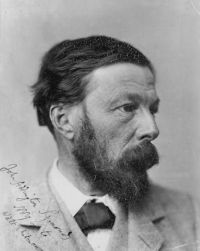
Portrait of John Addington Symonds John Addington Symonds Studies of the Greek Poets (Vol 1 of 2…

Zeus seeth all things, and like a wind scattering the clouds, which shakes the deep places of the sea and rages over the corn-land, and comes at last to heaven, the seat of gods, and makes a clear sky to be seen, whereupon the sun breaks out in glory, and the clouds are gone—so is the vengeance of Zeus. He may seem to forget, but sooner or later he strikes; perchance the guilty man escapes, yet his blameless children or remote posterity pay the penalty.
Source: Gutenberg

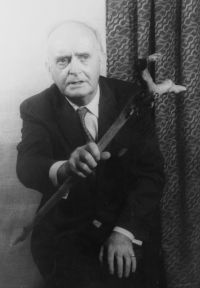
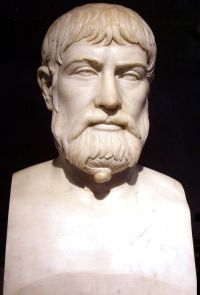
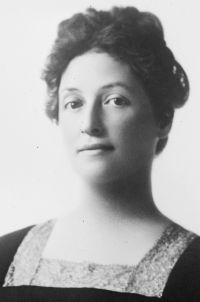
Portrait of Elizabeth Barrett Browning Elizabeth Barrett Browning Prometheus Bound, and other poems (1851)

Typhon the fierce, who did resist the gods,
And, hissing slaughter from his dreadful jaws,
Did flash out from his eyes a glory askance,
As if to storm the throne of Zeus! But so,
The sleepless arrow of Zeus flew straight to him,—
The headlong bolt of thunder breathing flame,
And struck him downward from his eminence
Of boastful exaltation! Through the soul,
It struck him mainly; and his strength was shrunk
To ashes, thunder-blasted. Now, he lies
A helpless trunk supinely, at full length,
Beside the strait of ocean
Source: Wikisource

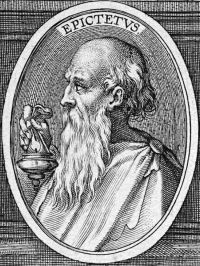
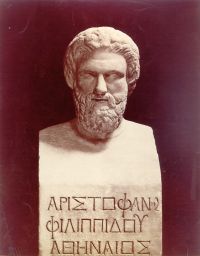
Portrait of Clement of Alexandria Clement of Alexandria Ante-Nicene Fathers — Exhortation to the Heathen (1885)

Zeus is no longer a serpent, a swan, nor an eagle, nor a licentious man; the god no longer flies, nor loves boys, nor kisses, nor offers violence, although there are still many beautiful women, more comely than Leda, more blooming than Semele, and boys of better looks and manners than the Phrygian herdsman. Where is now that eagle? where now that swan? where now is Zeus himself? He has grown old with his feathers; for as yet he does not repent of his amatory exploits, nor is he taught continence. The fable is exposed before you: Leda is dead, the swan is dead. Seek your Jupiter.
Source: Wikisource

Get perspective with Kwize: daily news enlightened by great literature