Olympia

Definition and stakes

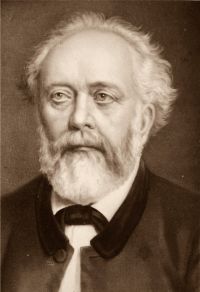
Portrait of Robert Hichens Robert Hichens,  The Near East: Dalmatia, Greece and Constantinople

“ Nature has taken Olympia into her loving arms. She has shed her pine-needles and her leaves of the golden autumn upon the seats where the wrestlers reposed. She has set her grasses and flowers among the stones of the Temple of Zeus. Her vines creep down to the edge of that cup of her earth which holds gently, as a nurse holds a sleeping child, palaces, temples, altars, shrines of the gods and ways for the chariots. All the glory of men has departed, but something remains which is better than glory—peace, loveliness, a pervading promise of lasting things beyond. ”
Source: Gutenberg

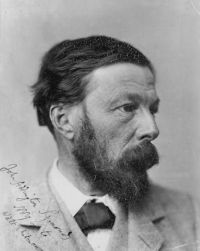
Portrait of Edward A. Freeman Edward A. Freeman,  Studies of Travel: Greece

“ Olympia, when the German diggers have fled before the heat of a Greek summer, when they have left all the statues and other beautiful things that they have found sealed up against all men, Greek and barbarian, may seem to be, even literally, Olympia with the spring taken out of its year. But Olympia can, for all general historical purposes, be Olympia without them; some minds may not greatly regret their absence. To some minds galleries, museums, collections of all kinds, are simply wearisome. ”
Source: Gutenberg

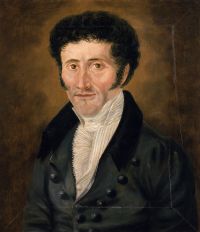
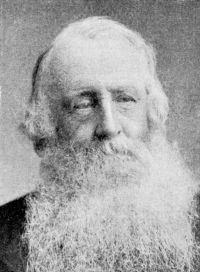
Portrait of Ernst Theodor Amadeus Hoffmann Ernst Theodor Amadeus Hoffmann,  Hoffmann's Strange Stories (1855)

“ Nevertheless it is strange, that many of us think much the same about Olympia. To us—pray do not take it ill, brother,—she appears singularly stiff and soulless. Her shape is symmetrical—so is her face—that is true! She might pass for beautiful, if her glance were not so utterly without a ray of life—without the power of seeing. Her pace is strangely measured, every movement seems to depend on some wound-up clockwork. ”
Source: Wikisource

Get perspective with Kwize: daily news enlightened by great literature