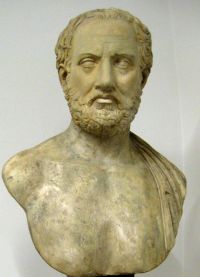
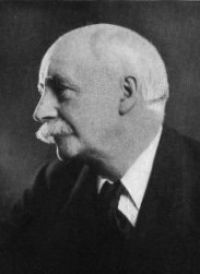
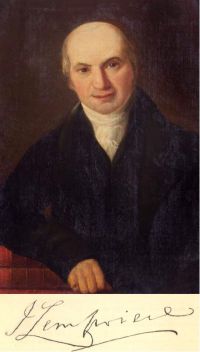
Themistocles

Definition and stakes

Dorothy Mills,  The book of the ancient Greeks (1925)

“ There are no records to tell us of all the many things that must have passed through the heart and mind of Themistocles, exiled from Greece and living with the Persian, but tradition has handed down to us the hope that at the end his ancient love and loyalty to Athens triumphed, for it is said that the Great King summoned him to help the Persians in an expedition against Greece, but that Themistocles, rather than sink to such a depth of shame, drank poison, and so put an end to his own life. It was a tragic end to a great man, who had done great deeds for his country. ”
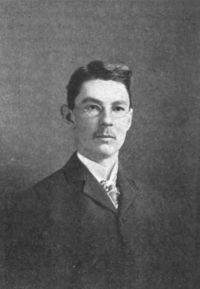
Source: Gutenberg

Baron Edward Bulwer Lytton Lytton,  Athens: Its Rise and Fall, Book III

“ Eurybiades can only be influenced by Themistocles when Themistocles has once more a city to represent."
"Wretch!" replied Themistocles, sternly, "we have indeed left our walls and houses—preferring freedom to those inanimate possessions— but know that the Athenians still possess a country and a city, greater and more formidable than yours, well provided with stores and men, which none of the Greeks will be able to resist: our ships are our country and our city."
”
Source: Gutenberg

George Beardoe Grundy,  The Great Persian War and its preliminaries (1901)

“ The whole question of this Themistocles legend is one of the most difficult in Greek history. It is certain, on the one hand, that Herodotus had a distinct animus against the man. It seems also certain that the version of it which the historian followed was either the creation of political opponents or, at any rate, was strongly infected with the feeling which Themistocles’ conduct during the latter years of his life, as interpreted by the Athenians, must inevitably have aroused with regard to him. ”
Source: Gutenberg

Get perspective with Kwize: daily news enlightened by great literature