Salamis

Definition and stakes

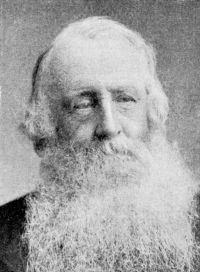
Portrait of William Stearns Davis William Stearns Davis,  A Victor of Salamis

“ CHAPTER V HERMIONE OF ELEUSIS A cluster of white stuccoed houses with a craggy hill behind, and before them a blue bay girt in by the rocky isle of Salamis—that is Eleusis-by-the-Sea. Eastward and westward spreads the teeming Thrasian plain, richest in Attica. Behind the plain the encircling mountain wall fades away into a purple haze. One can look southward toward Salamis; then to the left rises the rounded slope of brown Pœcilon sundering Eleusis from its greater neighbour, Athens. ”
Source: Gutenberg

M. E. Thalheimer,  A Manual of Ancient History

“ Wait not for horse and foot; tarry not the march of the mighty army; retreat even though they close upon you. O divine Salamis! thou shalt lose the sons of women, whether Demeter scatter or hoard her harvest!” Themistocles, who had, perhaps, dictated the response, now furnished an apt solution. The “walls of wood,” he said, meant the fleet, in which the citizens and their children should take refuge. The last sentence threatened woe not to the Athenians, but to their foes, else why was Salamis called “divine”? ”
Source: Gutenberg

Baron Edward Bulwer Lytton Lytton,  Athens: Its Rise and Fall, Book III

“ The victory of Salamis was celebrated by solemn rejoicings, in which, principally remarkable for the beauty of his person, and his accomplishments on the lyre and in the dance, was a youth named Sophocles, destined afterward to share the glory of Aeschylus, who, no less a warrior than a poet, distinguished himself in the battle, and has bequeathed to us the most detailed and animated account we possess of its events. ”
Source: Gutenberg

Get perspective with Kwize: daily news enlightened by great literature