Aristides

Definition and stakes

Samuel Dill,  Roman Society from Nero to Marcus Aurelius

“ Truth was a secondary matter, not from any moral obliquity, but from the influence of prolonged training. And so, we may retain a belief in the genuine piety or superstition of Aristides, while we may distrust his narrative. The piety or the mystic superstition may not have been less sincere, although it was mingled with egregious vanity, and expressed itself in the carefully moulded and highly coloured phrases of the schools. Nor should we doubt the piety of Aristides because he deemed himself the special object of Divine favour. ”
Source: Gutenberg

Portrait of Plutarch Plutarch,  Plutarch's Lives — Aristides (1859)

“ The Athenians being indignant at the claim, Aristides came forward; "To contend with the Tegeatans," said he, "for noble descent and valor, the present time permits not: but this we say to you, O you Spartans, and you the rest of the Greeks, that place neither takes away nor contributes courage: we shall endeavor by crediting and maintaining the post you assign us, to reflect no dishonor on our former performances. For we are come, not to differ with our friends, but to fight our enemies; not to extol our ancestors, but ourselves to behave as valiant men. ”
Source: Wikisource

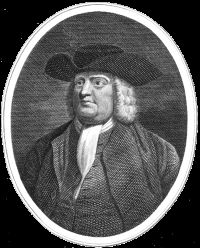
Portrait of William Penn William Penn,  No cross, no crown

“ IX. Aristides, a wise and just Greek, of greatest honour and trust with the Athenians;—he was a great enemy to cabals in government: the reason he renders is, "Because," saith he, "I would not be obliged to authorize injustice." He so much hated covetousness, though he was thrice chosen treasurer of Athens, that he lived and died poor, and that of choice: for being therefore reproached by a rich usurer, he answered, "Thy riches hurt thee more than my poverty hurts me." ”
Source: Gutenberg

Get perspective with Kwize: daily news enlightened by great literature