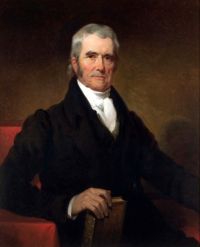
The treasury, defined as a nation’s total cash resources managed by its government, has long been a central topic in discussions of fiscal policy and economic governance. From Daniel Webster’s emphasis on balancing revenue with governmental needs to Carl Schurz’s critiques of the Treasury’s entanglement with private interests, writers have examined its role as both a financial institution and a symbol of state integrity.
Writings emphasize its duties in taxation, borrowing, and protecting public funds, while highlighting tensions between fiscal caution and political ambition. These viewpoints collectively reveal the treasury as a fundamental pillar of state authority, illustrating the interaction between economic strategy and democratic accountability.