Exchequer

Definition and stakes

Richard FitzNeal,  Select Historical Documents of the Middle Ages (1892)

“ Such an excess, moreover, even if committed in one's own groves, is considered so grave that a man may never be acquitted of it by reason of his seat at the exchequer; but he ought rather to be pecuniarily punished according to the power of solvency of his rank. Thus far I have expounded, to some extent figuratively, what succint brevity has permitted, and what has at short notice offered itself to my mind, concerning the dignities of those sitting at the exchequer. ”
Source: Wikisource

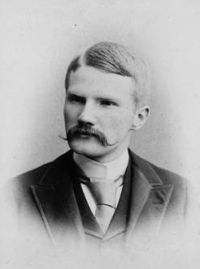
Portrait of Henry Adams Henry Adams,  The Education of Henry Adams (1907)

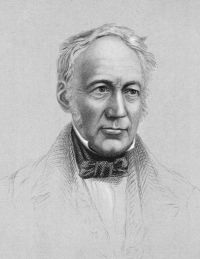
“ This new actor, as everyone knows, was William Ewart Gladstone, then Chancellor of the Exchequer. If, in the domain of the world's politics, one point was fixed, one value ascertained, one element serious, it was the British Exchequer; and if one man lived who could be certainly counted as sane by overwhelming interest, it was the man who had in charge the finances of England. ”
Source: Wikisource

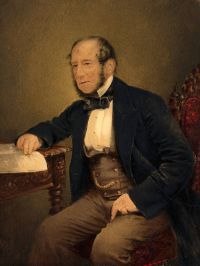
John Horace Round,  The Commune of London, and other studies (1899)

“ A glamour, picturesque, sentimental it may be, and yet dazzling in its splendour, surrounds an institution possessing so immemorial an antiquity that “Barons of the Exchequer” meet us alike in the days of our Norman kings and in those of Queen Victoria. Its [63] “tellers,” at least coeval with the Conquest, were only finally abolished some sixty years ago, while the Chancellor of the Exchequer is believed to represent that “clericus cancellarii” whose seat at the Exchequer of the second Henry was close to that of the official ancestor of the present secretary to the Treasury. ”
Source: Gutenberg

Get perspective with Kwize: daily news enlightened by great literature