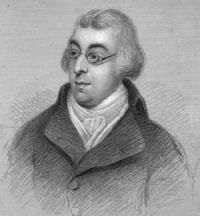
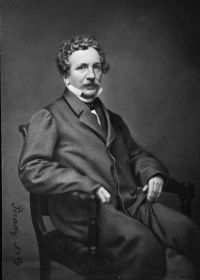
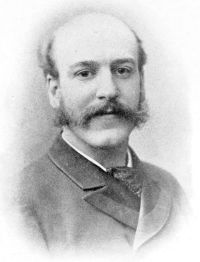
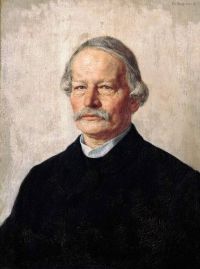
The term esquire denotes a historical title of honor and rank, positioned between knighthood and commoners, often linked with military service and chivalric duties. Authors such as P. L. Jacob and Mark Antony Lower emphasize its origins as a shield-bearer and military role, while Robert B. Brough critiques its later overextension beyond its original feudal context.
Isaac Disraeli depicts the esquire as a learned, romanticized figure of medieval chivalry, and Edward Lewis Cutts refines the role by highlighting the maturity and practicality of squires. These diverse viewpoints collectively illustrate the esquire’s transformation from a functional heraldic position to a symbol of aspirational nobility, deeply connected to the hierarchies of knighthood and feudal society.