Chivalry, a medieval code of conduct associated with knighthood, arose between 1170 and 1220, combining martial skill, Christian devotion, and refined social etiquette. Drawing from Carolingian values of loyalty and courage, it developed into a moral system that highlighted honor, generosity, and the defense of the vulnerable. Literary works, including Arthurian romances and the Matter of France, idealized chivalric ideals, though historians such as Johan Huizinga and Georg Brandes pointed out its fictional aspects, distinguishing it from actual historical events.
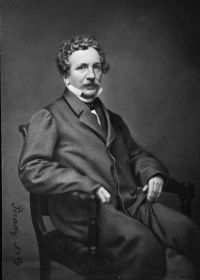
Writers ranging from Mark Antony Lower to Charles Mills portrayed chivalry as both a lasting ethos and a social framework, illustrating its dual function as an aspirational standard and a fading medieval tradition. The integration of these viewpoints portrays chivalry as a complex interaction between imaginative storytelling and the ethical uncertainties of its time.
 Mark Antony Lower,
The Curiosities of Heraldry
Mark Antony Lower,
The Curiosities of Heraldry