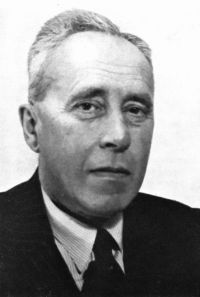
Johan Huizinga

Johan Huizinga

Summary

Portrait of Johan Huizinga Johan Huizinga The Waning of the Middle Ages (1924)

All the best elements of patriotism—the spirit of sacrifice, the desire for justice and protection for the oppressed—sprouted in the soil of chivalry. It is in the classic country of chivalry, in France, that are heard, for the first time, the touching accents of love of the fatherland, irradiated by the sentiment of justice. One need not be a great poet to say these simple things with dignity. No author of those times has given French patriotism such a touching and also such a varied expression as Eustache Deschamps, whom we can only rate as a mediocre poet.
Source: Wikisource

Portrait of Johan Huizinga Johan Huizinga The Waning of the Middle Ages (1924)

It would be a mistake to think that the medieval mind, lacking the ideas of progress and conscious reform, had only known the religious form of the aspiration to ideal life. For there is a third path to a world more beautiful, trodden in all ages and civilizations, the easiest and also the most fallacious of all, that of the dream. A promise of escape from the gloomy actual is held out to all; we have only to colour life with fancy, to enter upon the quest of oblivion, sought in the delusion of ideal harmony.
Source: Wikisource

Portrait of Johan Huizinga Johan Huizinga The Waning of the Middle Ages (1924)

Thus, always and everywhere in the literature of the age, we find a confessed pessimism. As soon as the soul of these men has passed from childlike mirth and unreasoning enjoyment to reflection, deep dejection about all earthly misery takes their place and they see only the woe of life. Still this very pessimism is the ground whence their soul will soar up to the aspiration of a life of beauty and serenity. For at all times the vision of a sublime life has haunted the souls of men, and the gloomier the present is, the more strongly this aspiration will make itself felt.
Source: Wikisource

Get perspective with Kwize: daily news enlightened by great literature