Le Roman de la Rose

Definition and stakes

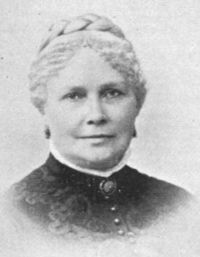
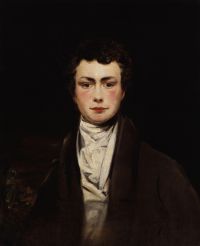
Elizabeth Haig,  The floral symbolism of the great masters (1913)

“ GARLANDS OF ROSES ‘Let us crown ourselves with rose-buds,’80 cried the revellers in the Book of Wisdom, and at Roman feasts host and guests alike wore roses on their hair or in garlands round their necks.
So in the heavenly mansions, where life is a perpetual feast, unfading roses crown the elect. Wreaths of roses are the symbol of heavenly joy and are worn alike by angels and by the human souls who have entered bliss.
”
Source: Gutenberg

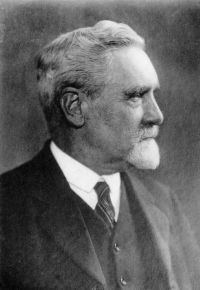
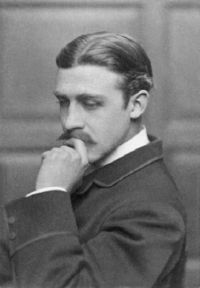
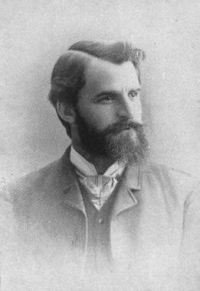
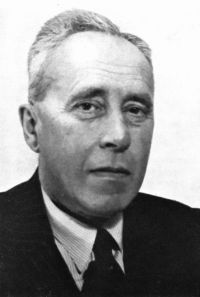
Portrait of Johan Huizinga Johan Huizinga,  The Waning of the Middle Ages (1924)

“ At the close Genius throws the taper into the besieged fortress; its flame sets the universe on fire. Venus also throws her torch; then Shame and Fear flee, the castle is taken, and Bel-Accueil allows the lover to pluck the rose.
Here, then, in the Roman de la Rose, the sexual motif is again placed in the centre of erotic poetry, but enveloped by symbolism and mystery and presented in the guise of saintliness. It is impossible to imagine a more deliberate defiance of the Christian ideal. The dream of love had taken a form as artistic as it was passionate.
”
Source: Wikisource

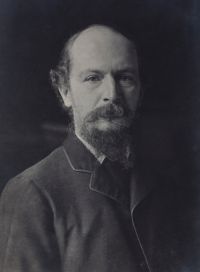
Baroness Emmuska Orczy Orczy,  The Noble Rogue

“ The scent of the poet's narcissus, heavy and intoxicating, filled nostrils and brain with its overpowering savour; the roses already inclined to droop added their faded fragrance to the air, mingling, too, with the penetrating odour of white Roman hyacinths and the pungent smell of primroses and of violas, whilst through it all the heavy fumes of incense rose upwards to the high-vaulted roof and wrapped the statues of saints, the small side altars and tall embroidered banners in their mystery-creating clouds. ”
Source: Gutenberg

Get perspective with Kwize: daily news enlightened by great literature