Magi

Definition and stakes

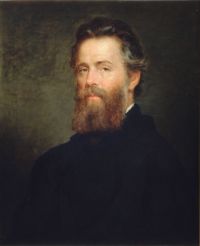
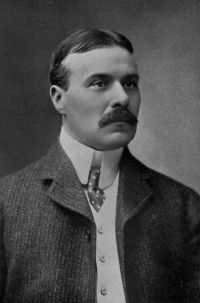
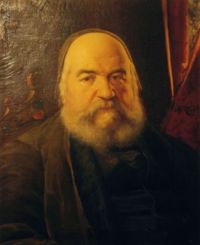
Portrait of Éliphas Lévi Éliphas Lévi,  The history of magic (1922)

“ This prince, abandoned to luxury and indolence, reduced the science of the Magi to the level of one of his courtesans. What purpose did marvels serve if they failed in ministration to pleasure? Compel, O enchanters, compel the winter to produce roses; double the savour of wine; apply your power over the light to make the beauty of women shine like that of divinities. The Magi obeyed and the king passed from intoxication to intoxication. ”
Source: Gutenberg

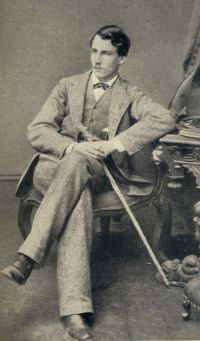
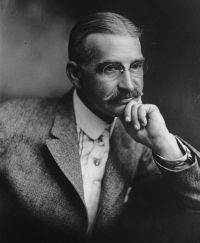
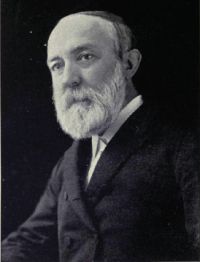
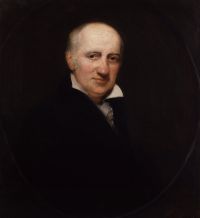
Portrait of William Godwin William Godwin,  Lives of the Necromancers

“ THE MAGI, OR WISE MEN OF THE EAST. The Magi, or Wise Men of the East, extended their ramifications over Egypt, Babylonia, Persia, India, and probably, though with a different name, over China, and indeed the whole known world. Their profession was of a mysterious nature. They laid claim to a familiar intercourse with the Gods. They placed themselves as mediators between heaven and earth, assumed the prerogative of revealing the will of beings of a nature superior to man, and pretended to show wonders and prodigies that surpassed any power which was merely human. ”
Source: Gutenberg

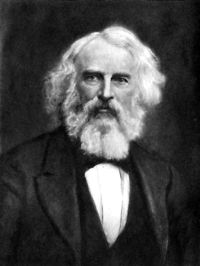
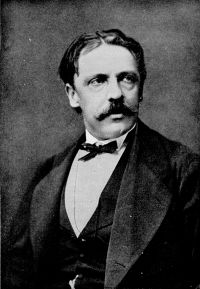
Portrait of Éliphas Lévi Éliphas Lévi,  The history of magic (1922)

“ Magic is the science of the ancient magi; and the Christian religion, which silenced the counterfeit oracles and put a stop to the illusions of false gods, does, this notwithstanding, revere those mystic kings who came from the East, led by a star, to adore the Saviour of the world in His cradle. They are elevated by tradition to the rank of kings, because magical initiation constitutes a true royalty; because also the great art of the magi is characterised by all adepts as the Royal Art, as the Holy Kingdom—Sanctum Regnum. ”
Source: Gutenberg

Get perspective with Kwize: daily news enlightened by great literature