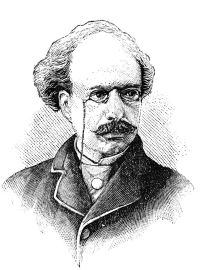
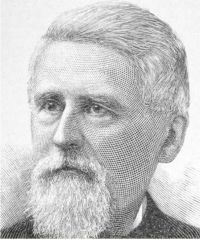
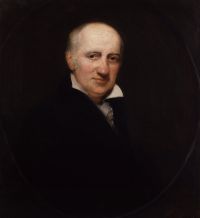
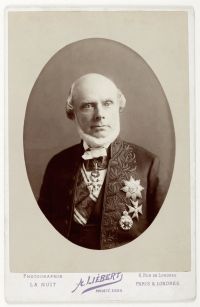
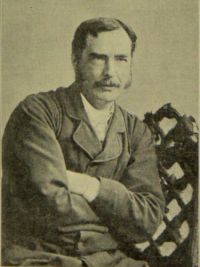
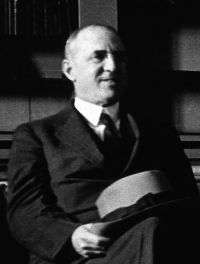
Sorcery, a concept interweaving magic, supernatural influence, and human action, has long fascinated literary and historical discussion. From Edmond Dupouy’s portrayal of sorcery as a degenerate remnant of medieval superstition to Henry Charles Lea’s note on its enduring, hidden presence in contemporary society, writers have wrestled with its ethical and existential consequences.
Augustin Calmet associated it with natural magic and demonic persuasion, while John M. Taylor viewed it as a covenant with Satan, symbolizing spiritual decay. Meanwhile, Lilian Whiting emphasized its cultural significance in communities where written language itself was considered magical. These differing viewpoints illustrate sorcery as a complex prism through which humanity’s anxieties, convictions, and customs have been reflected across the ages.
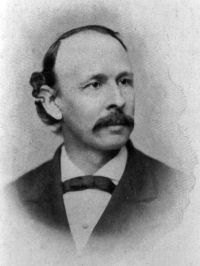 James Ryder Randall,
Maryland, my Maryland, and other poems
(1908)
James Ryder Randall,
Maryland, my Maryland, and other poems
(1908)