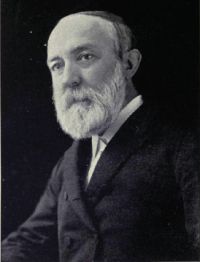
W. H. Withrow

Biographical details

Portrait of W. H. Withrow W. H. Withrow,  The Catacombs of Rome, and Their Testimony Relative to Primitive Christianity

“ The loftiest pagan philosophy dwindled into insignificance before the sublimity of Christian hope. This looked beyond the shadows of time and the sordid cares of earth to the grandeur of the Infinite and the Eternal. The heroic deaths of the believers exhibited a spiritual power mightier than the primal instincts of nature, the love of wife or child, or even of life itself. Like a solemn voice falling on the dull ear of mankind, these holy examples urged the inquiry, “What shall it profit a man if he gain the whole world and lose his own soul?” ”
Source: Gutenberg

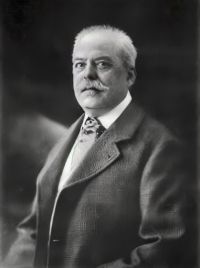
Portrait of W. H. Withrow W. H. Withrow,  Valeria, the Martyr of the Catacombs…

“ Then the wily Fausta faltered out, "Said I not, he would defy both gods and men? We must do by stealth what we cannot do by force. Juba must ply her most secret and most deadly arts. I have certain subtle spells myself; and if mortal hate can give them power, I will make her beauty waste away like a fading flower, and her strength wane like a dying lamp."
"'Tis a dangerous game," replied Naso. "Be wary how you play it. As for me, armed with this edict, I will strike at mine ancient foe, for whom I long have nursed a bitter spite. Curse him! I am tired of hearing him called Adauctus the Just.
”
Source: Gutenberg

Portrait of W. H. Withrow W. H. Withrow,  Neville Trueman, the Pioneer Preacher…

“ Thus the holy Christmas-tide, God's pledge of peace and good-will toward men, rose upon a fair and fertile frontier scathed and blackened by wasting and rapine, and the year went out in "tears and misery, in hatred and flames and blood."
The marks of recent conflict were everywhere visible, and—saddest evidence of all—was the multitude of soldiers' graves whose silent sleepers no morning drum-beat should arouse forever. The peaceful parish church of Niagara had been turned into a hospital, where, instead of praise and prayer, were heard the groans of wounded and dying men.
”
Source: Gutenberg

Get perspective with Kwize: daily news enlightened by great literature