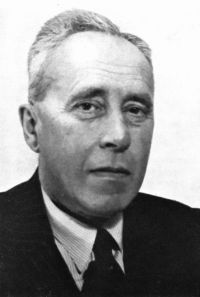
Johan Huizinga

Biographical details

Portrait of Johan Huizinga Johan Huizinga,  Erasmus and the Age of Reformation

“ Erasmus seems, at times, the man who was not strong enough for his age. In that robust sixteenth century it seems as if the oaken strength of Luther was necessary, the steely edge of Calvin, the white heat of Loyola; not the velvet softness of Erasmus. Not only were their force and their fervour necessary, but also their depth, their unsparing, undaunted consistency, sincerity and outspokenness.
They cannot bear that smile which makes Luther speak of the guileful being looking out of Erasmus's features. His piety is too even for them, too limp.
”
Source: Gutenberg

Portrait of Johan Huizinga Johan Huizinga,  The Waning of the Middle Ages (1924)

“ The ideal itself has become democratic. In aristocratic periods, on the other hand, to be representative of true culture means to produce by conduct, by customs, by manners, by costume, by deportment, the illusion of a heroic being, full of dignity and honour, of wisdom and, at all events, of courtesy. This seems possible by the aforesaid imitation of an ideal past. The dream of past perfection ennobles life and its forms, fills them with beauty and fashions them anew as forms of art. Life is regulated like a noble game. ”
Source: Wikisource

Portrait of Johan Huizinga Johan Huizinga,  Erasmus and the Age of Reformation

“ It is to these men's piety then that we owe it that all over the world, as if on a given signal, splendid talents are stirring and awakening and conspiring together to revive the best learning. For what else is this but a conspiracy, when all these great scholars from different lands share out the work among themselves and set about this noble task, not merely with enthusiasm but with a fair measure of success, so that we have an almost certain prospect of seeing all disciplines emerge once more into the light of day in a far purer and more genuine form? ”
Source: Gutenberg

Get perspective with Kwize: daily news enlightened by great literature