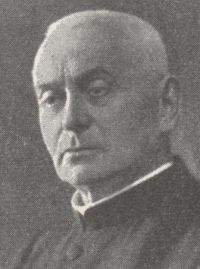
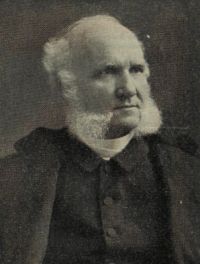
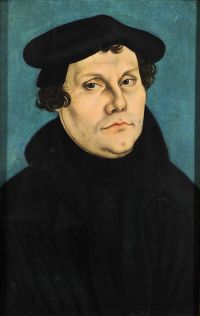
The name Luther, of German origin meaning "army," is primarily linked to Martin Luther, the 16th-century Protestant reformer. Scholars such as Johann Michael Reu and Hartmann Grisar examine Luther’s complex legacy, depicting him as both a fallible individual and a revolutionary figure. Reu highlights Luther’s accessible struggles, while Grisar questions his theological contradictions.
Joseph Augustus Seiss, on the other hand, praises his ethical strength. These differing viewpoints illustrate a name connected to religious transformation, personal belief, and ongoing historical discussion. The idea of Luther therefore embodies both the deep influence of a historical figure and the diverse interpretations of his heritage.