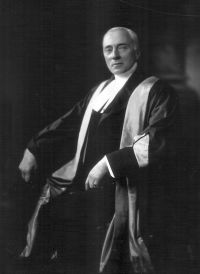
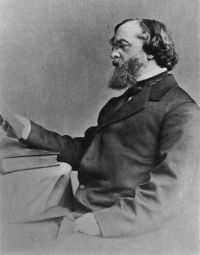
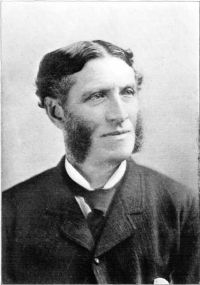
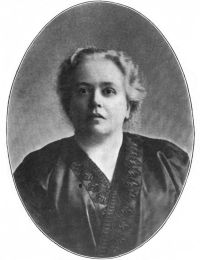
Protestantism, a major branch of Christianity that arose from the 16th-century Reformation, prioritizes individual belief, scriptural guidance, and personal spiritual experience over formal church structures. Writers such as Charles Kingsley praised its emphasis on human worth, while A. E. J. Rawlinson pointed out its support for intellectual liberty and personal devotion.
John Lord compared its instructive sermons to Catholic ceremonies, and James Freeman Clarke criticized its perceived severity. Michael Muller stressed its opposition to Catholic doctrine, and Herbert Spencer observed its shifting ethical values. These varied viewpoints illustrate Protestantism as a vibrant, complex tradition shaped by discussions on authority, religious practice, and social impact.
 Charles Kingsley,
Yeast: a Problem
Charles Kingsley,
Yeast: a Problem